Meet the Specialist with Dr John Holemans
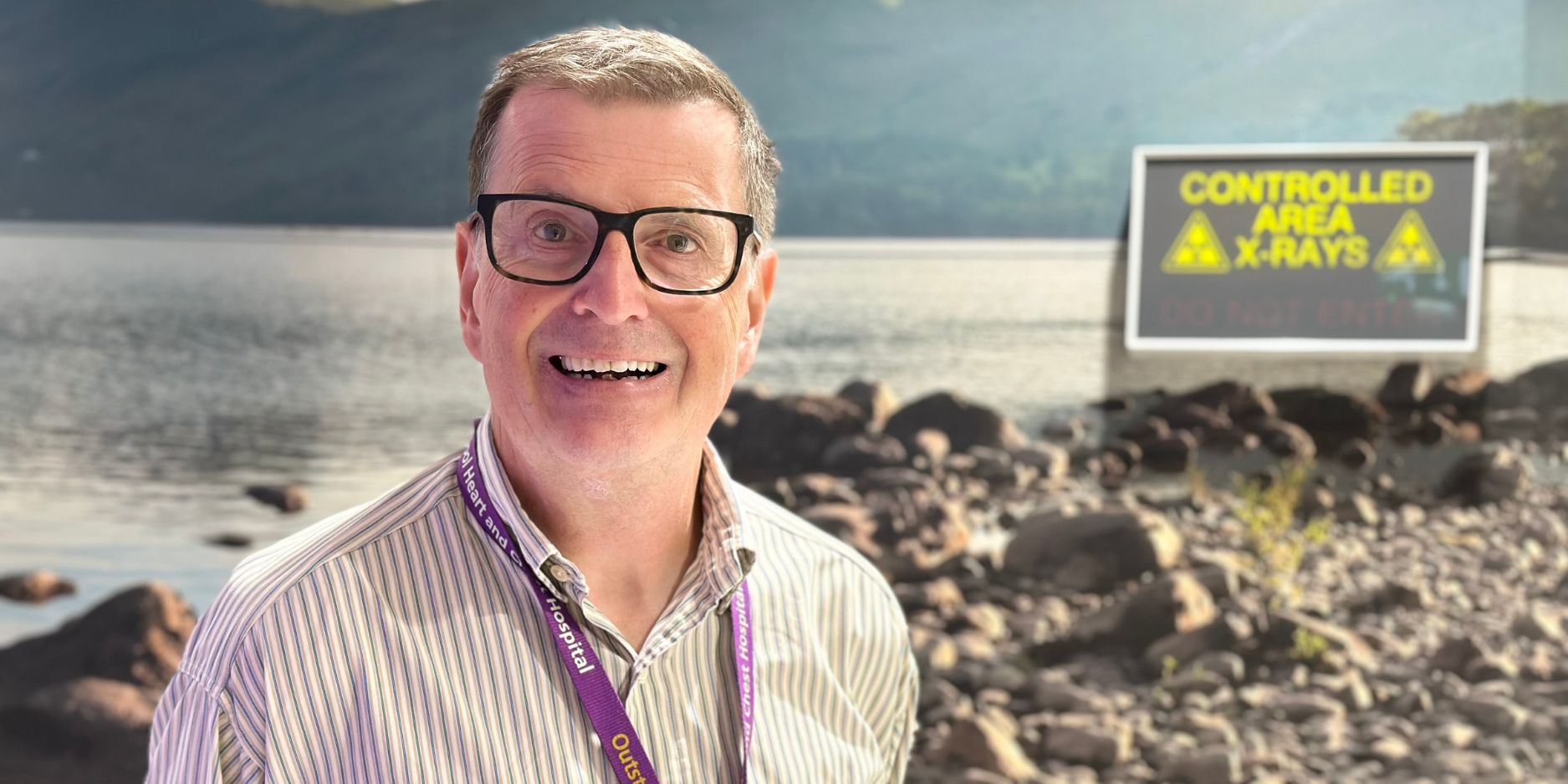
For the next in the series of ‘Meet the Specialist’ we had the pleasure of chatting to Dr John Holemans, a long-serving Consultant Radiologist at Liverpool Heart and Chest Hospital (LHCH).
Dr Holemans has been instrumental in the development of radiology and imaging services here at LHCH and successfully guided the introduction of the impactful Lung Cancer Screening programme across Cheshire and Merseyside.
Choosing a career in healthcare
Dr Holemans realised he wanted to pursue a career in medicine whilst studying his A-levels at school. He said:
“I was quite good at science and maths. I was thinking of engineering initially but changed my mind and applied for medical school.”
“I attended Charing Cross and Westminster Medical School (now Imperial College School of Medicine). I had house officer roles in London and Windsor and also worked in an accident and emergency department in Central Middlesex Hospital. I went onto gain experience in medical oncology, chest medicine and cardiology. I passed my membership exams with the Royal College of Physicians of London.
“At the time, I enjoyed chest medicine as a speciality but there weren’t many job opportunities in this field, so I decided to go into radiology. I did my specialist radiology training at Guy and St Thomas’s Hospital. I became a fellow of the Royal College of Radiologists in 1995 and then got my job here at LHCH (formerly known as The Cardiothoracic Centre) in October 1997.”
Finding the right specialism
Maintaining his interest in imaging chest conditions by joining Liverpool’s specialist heart and chest hospital, Dr Holemans started his role at a time when radiology was becoming increasingly important to the patient journey. He explained:
“I felt radiology was an important part of the hospital. Regardless of the speciality, radiology plays a really key role in it.
“At the time, 30 years ago, CT scans were starting to become more widely used and MRI scans were also emerging. Since then, the volume of these scans has gone up rapidly, traditional radiology procedures have been phased out and replaced with CT, MRI and direct visualisation with endoscopy.”
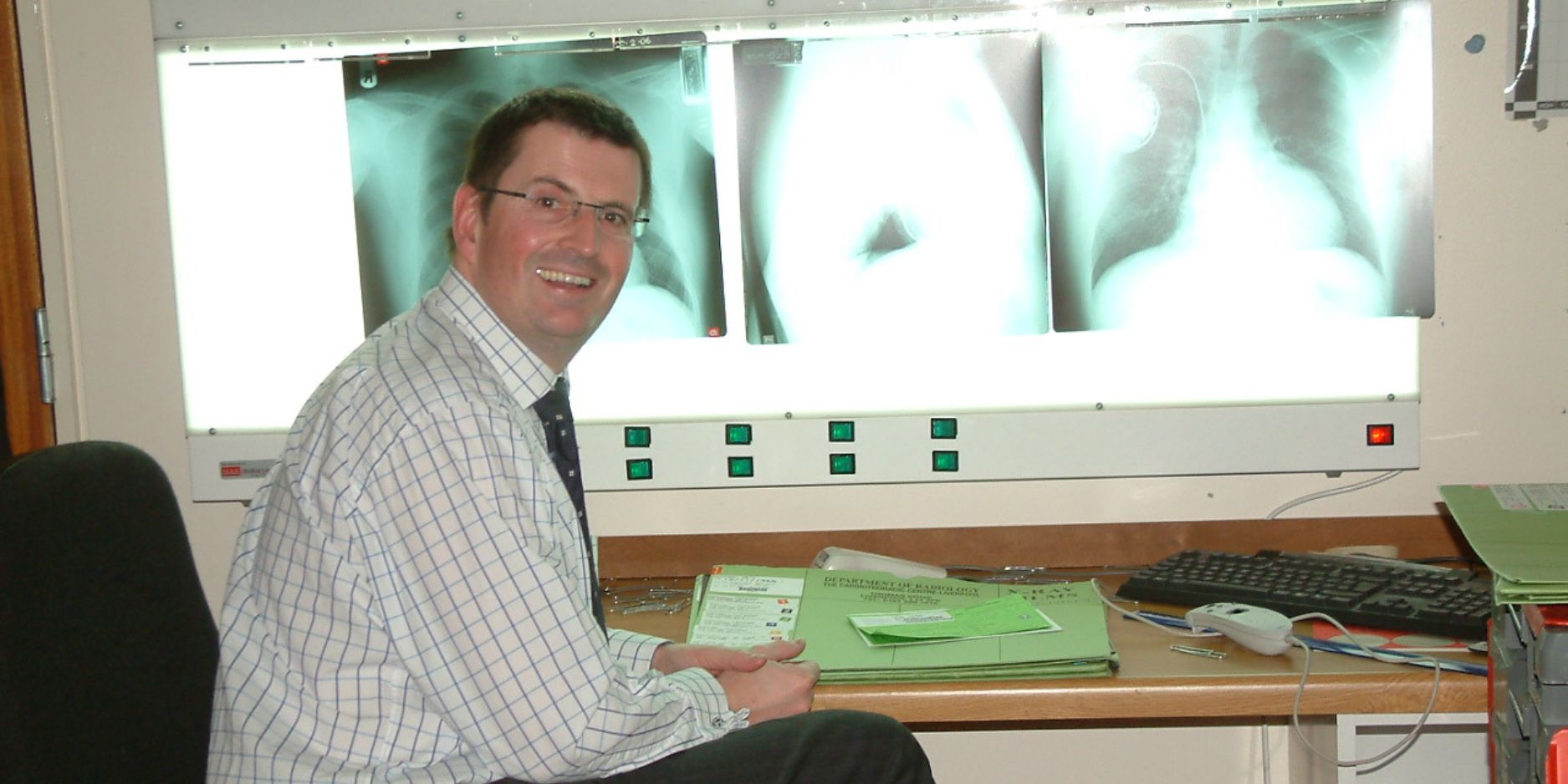
Dr Holemans pictured in the old Radiology Department before the move to the new site development in 2006
Transforming and developing radiology services
Talking about when he first joined LHCH in 1997, Dr Holemans shared:
“Back then, I think it’s fair to say that the department was behind the times. There was no permanent radiologist in post and no CT, MRI or ultrasound. We just had chest X-ray.
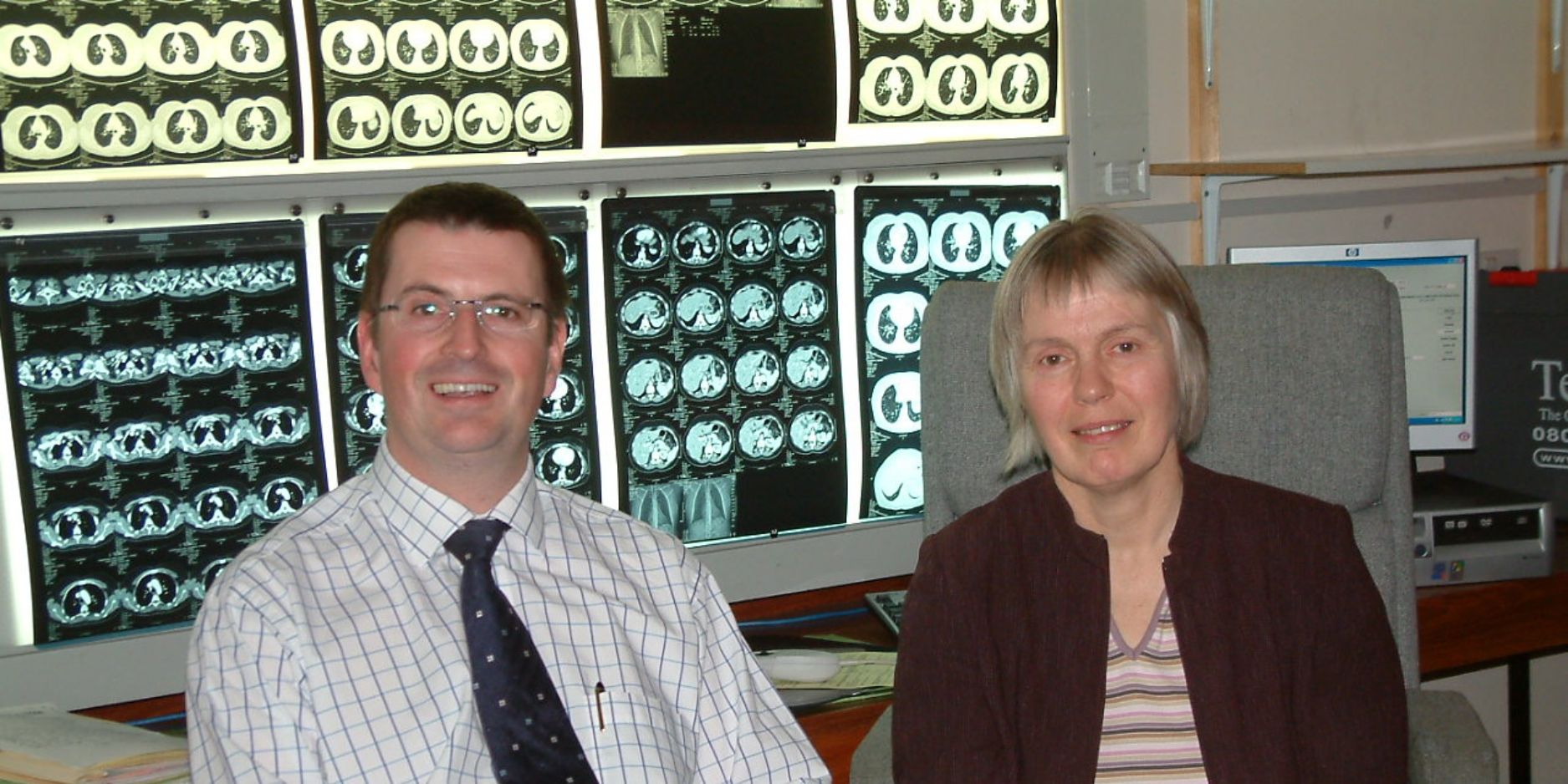
Dr Holemans pictured with former colleague, Dr Hilary Fewins, Consultant Radiologist
“Straight away we started to do ultrasounds here. There was a delay in getting a CT scanner installed so we ran sessions at the Royal Liverpool Hospital for a couple of years until we got the first CT scanner, which was based just off the main surgical corridor.”
“We got the first multi 64 slice CT scanner in the UK installed here in the early 2000s. This could do cardiac CTs, which meant that we began developing our cardiac skills too.
“We then launched MRI scans here on site, initially with a mobile scanner parked outside the Alexandra Wing.”
Creating a modern imaging service
In 2006, a brand-new radiology department was unveiled as part of a multi-million-pound site redevelopment programme. Dr Holemans was Clinical Director for Radiology at the time and said:
“We were proud to open the doors to our modern, state-of-the-art Radiology Department and move away from the very basic service and facilities we had. In the new facility, we switched off analogue and went fully digital with the introduction of the picture archiving and communication system (PACS) which meant all X-rays and scans were now digital. We were able to house our CT and MRI scanners together in the department for the first time
“Since then, the department has expanded and we now have a ultrasound room, 3 MRI scanners and 2 CT scanners. The department also provides support to Broadgreen Hospital patients with X-ray, MRI and CT scans as required.
“There are 5 ultrasound rooms staffed by sonographers within the department for patients of Liverpool University Hospitals.”
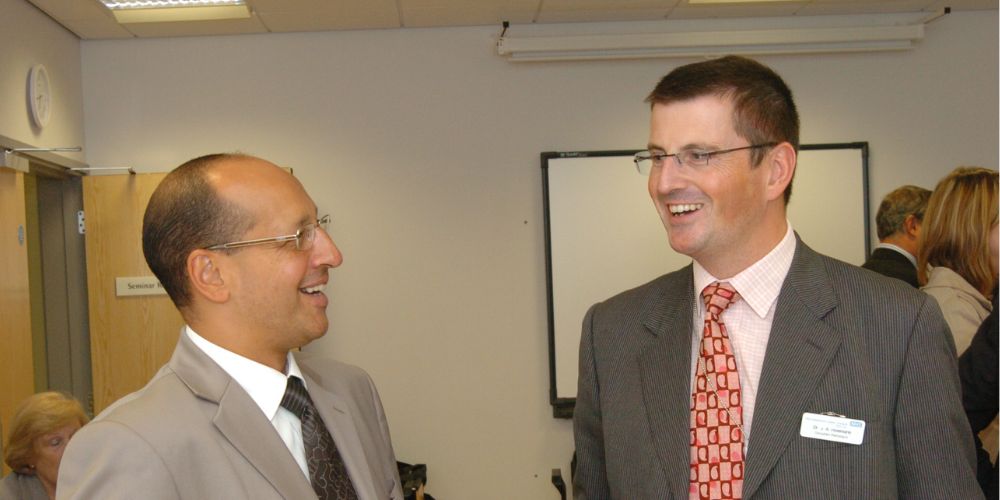
Dr Holemans pictured with former Medical Director, Dr Raphael Perry at the official opening of the new site development in 2006.
Keeping pace with growing demand
In recent years there has been a significant increase in the need and demand for CT, MRI and ultrasound scans nationally. Dr Holemans explains that one of the reasons behind this is advances in treatment such as less invasive surgery, which reduce the length of stay and increases the number of patients coming through the hospital for treatment.
“CT scans have become much quicker, due to better technology, so it is very easy to get a good picture of the heart, coronary arteries and high-quality scans of moving heart valves.”
“CT scans are used to help plan open heart surgery and minimally invasive surgery. For a TAVI procedure it’s really important to do a scan of the whole aorta so that the medical team can plan access to the heart and so they are aware of any narrowing and measurements.”
“Usually, every patient needs some kind of imaging for planning treatment and a follow up, so the radiology service is far busier than before.”
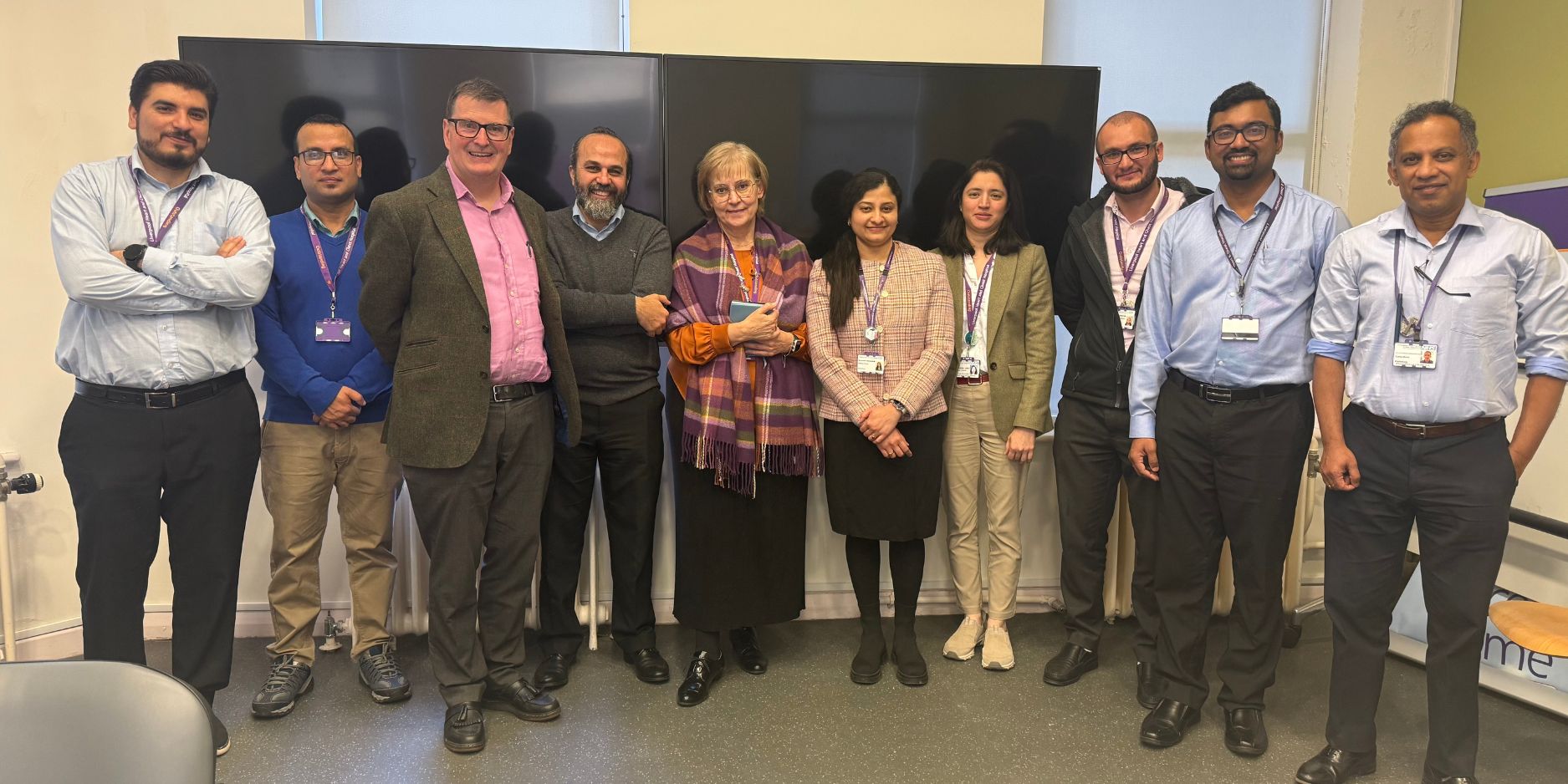
Consultant Radiologist team pictured in 2024
The future of AI in radiology
In a world which has seen the development and rise of Artificial Intelligence (AI) in the past few years, we asked Dr Holemans how these tools are now benefiting radiology services. He said:
“There are AI programmes that we have used. In the lung cancer screening programme, we use a computer programme to detect nodules on scans, but all the scans are still read by an expert radiologist to check whether the nodule is benign or could be cancer.
“The future of AI in radiology maybe that it will be used as a first read tool, or to help us in displaying images in a specific way, which makes them easier to interpret and therefore saves time. As a result of the time saved, more time would ultimately be available for us to help other patients.
“AI chest X-ray programmes haven’t been particularly helpful to us yet, as we often do more than one X-ray on our inpatients. Intensivists often want to know if a patient’s condition is improving or not. At this stage, AI cannot help with that. It just reviews the image and says if it’s abnormal or not.”
“However, another aspect we have been using to help us write reports is voice recognition to compose reports. This is amazing as it can transcribe rapid speech and 99% of time it gets it all correct.”
Leading the way in lung cancer screening
Over the years, Dr Holemans has worked in every area of our radiology service.
He explains that at least half of his work is now focused on the delivery of the Lung Cancer Screening (LCS) service. The service supports earlier diagnosis of lung cancer making it more curable. LHCH hosts the service, offering screening to people at high risk of developing lung cancer at various community locations, such as supermarkets, across Cheshire and Merseyside. Dr Holemans explained how it all began:
“Prior to the launch of the LCS service, I collaborated with Professor John Field from the Roy Castle Centre who like me was keen to do a lung cancer trial here in the UK. We set this up here at LHCH and in Cambridge, in 2011, screened 1000 high risk people in Liverpool using low dose CT scans. This proved low dose CT scans could detect many stage 1 lung cancers. After combining our results with findings from trials in Europe showed mortality from lung cancer could be reduced by 20%.
“The Liverpool Healthy Lung project set up after the trial was the first pilot for LCS in the country. Since 2022, the LCS service is run successfully nationwide saving many lives.
“In Cheshire and Merseyside, we scan around 1000 people a week. Their scans are read and coded ‘Green’, ‘Yellow’ or ‘Red’. ‘Green’ means to just come for a check-up in two years’ time and ‘Yellow’ and ‘Red’ would need further review by the team.
“There are a couple of meetings I lead every week and along with consultant respiratory chest physician colleagues, we go through the incidental findings. We don’t refer people for further investigations unless we feel it is necessary.
“There is an 89% chance of curing stage 1 cancer, so it is a very successful programme. Liverpool is one of the biggest programmes in the country.”
Life beyond the hospital
Outside of work, Dr Holemans enjoys walking holidays with his wife. Recent highlights have been trips to Skipton, Keswick and walking in the mountains inland from Alicante. He also enjoys playing golf and cycling.